
In today’s rapidly evolving energy landscape, digital transformation in oil and gas is no longer a strategic advantage—it’s a survival imperative. From smart sensors and predictive analytics to automation and cloud-driven systems, the energy industry is shifting toward digital energy solutions that modernize operations, enhance decision-making, and improve sustainability. Companies that fail to embrace this change risk losing efficiency, profitability, and market relevance.
What Digital Transformation Means for the Energy Sector
Digital transformation in energy represents the integration of cutting-edge technologies—data analytics, AI, IoT, and automation—into core business processes. It enables organizations to optimize asset performance, improve safety, and reduce costs while aligning with global sustainability goals.
Energy sector modernization is not just about digitizing workflows; it’s about connecting every layer of the value chain—from exploration to refining—through integrated energy management platforms and smart energy solutions.
Key Technologies Driving Change in Oil & Gas
1. Industrial IoT and Digital Oilfield Technologies
The Industrial IoT in energy connects field equipment, sensors, and systems to monitor performance and predict failures before they happen. Digital oilfield technologies bring real-time visibility to production data, transforming traditional oilfields into smart, connected assets.
Example**:** SCADA-based systems like Automation in oil and gas provide operators with live field data, remote access and control, and anomaly detection capabilities—reducing downtime and maintenance costs.
2. Cloud Computing and Edge Infrastructure
Cloud computing in energy supports scalable data management and collaboration across global operations. Combined with edge computing, it enables rapid data processing at remote sites—ideal for offshore rigs or remote production facilities.
Read more about Managed services for oil energy industry.
3. Artificial Intelligence and Predictive Analytics
AI in oil and gas operations enhances forecasting accuracy and asset reliability. Predictive analytics for energy leverages big data to anticipate demand patterns, equipment wear, and supply chain disruptions—driving proactive decision-making.
4. Automation and Robotics
Automation in oil and gas reduces human error and enhances precision during critical operations such as drilling, inspection, and maintenance. Automated systems improve efficiency while supporting safer, unmanned environments.
5. Cybersecurity for Energy Systems
As digitalization grows, so does the risk of cyber threats. Implementing cybersecurity for energy systems ensures data integrity, protects industrial control systems, and prevents operational disruptions across connected assets.
Benefits of IT Services and Digital Solutions in Energy
Operational Efficiency and Cost Reduction - Oil and gas transformation services streamline operations through real-time monitoring and data-driven insights. Digital transformation in oil and gas allows companies to optimize workflows, lower energy waste, and reduce maintenance costs by up to 30%.
Enhanced Safety and Reliability - Smart systems continuously monitor environmental conditions, emissions, and equipment health—enabling proactive interventions before incidents occur. The result: safer workplaces and improved asset uptime.
Sustainability and Compliance - Digital energy solutions support emissions tracking, carbon accounting, and regulatory compliance. With environmental monitoring powered by IoT sensors, energy firms can align with ESG commitments and global net-zero targets.
Improved Decision-Making - From subsurface analytics to supply chain optimization, IT services for the energy sector provide leaders with real-time data visualization and AI-assisted recommendations to make faster, smarter business decisions.
Take action: Explore our IT services for energy sector and learn how to optimize your assets today.
Overcoming Barriers to Digital Adoption in Oil & Gas
Despite its advantages, digital transformation in energy faces several challenges—legacy infrastructure, cultural resistance, and high upfront costs being the most common.
1. Bridging Legacy and Modern Systems
Many oil and gas companies operate on outdated systems that are difficult to integrate with new technologies. Migrating to scalable energy IT infrastructure built on cloud and edge platforms is essential to unlocking full digital potential.
2. Addressing Skill Gaps and Change Management
Digital adoption isn’t just technological—it’s organizational. Companies need to invest in workforce upskilling, fostering a culture that embraces innovation and cross-functional collaboration.
3. Ensuring Cybersecurity and Data Governance
With vast volumes of sensitive data generated every second, robust cybersecurity for energy systems and data governance frameworks must be in place to protect critical infrastructure from cyber threats.
4. Balancing Investment and ROI
Early adopters of oil and gas transformation services often see long-term ROI through reduced downtime, optimized production, and improved decision-making. Strategic partnerships with digital service providers can help companies implement cost-effective solutions.
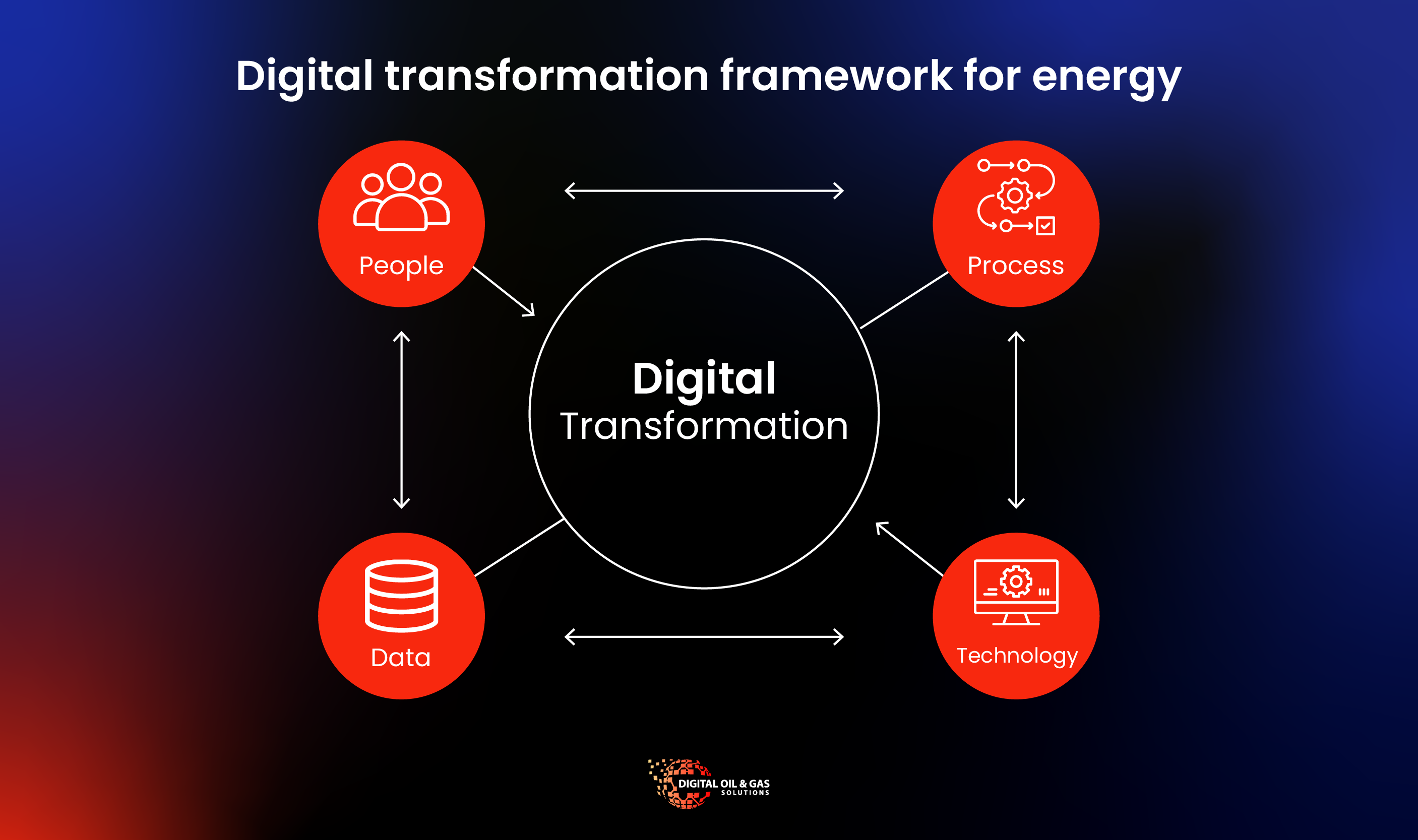
The Future of Digital Energy
The next decade will define how the global energy industry transitions from traditional workflows to intelligent, data-driven ecosystems. The fusion of AI, automation, IoT, and analytics is enabling smart energy solutions that will reshape how we produce, distribute, and consume energy.
Digital transformation is not optional—it’s the foundation for resilience and competitive advantage in an evolving market.
Key Takeaways
-
Digital transformation in oil and gas enhances efficiency, safety, and sustainability.
-
Industrial IoT and AI enable predictive operations and smarter decision-making.
-
Automation in oil and gas and cloud systems drive operational agility.
-
Cybersecurity for energy systems safeguards digital assets and continuity.
-
Oil and gas transformation services offer tangible ROI by modernizing the energy value chain.
Conclusion
Digital transformation is redefining how the energy industry operates—driving smarter, safer, and more sustainable outcomes. By embracing automation, data intelligence, and connected technologies, companies can unlock new efficiencies and resilience. The energy leaders of tomorrow will be those who act today, leveraging digital energy solutions to stay ahead. The future of energy is digital—make sure you’re part of it.
Start your transformation journey today. Explore our IT services for energy sector.