Oil and gas operators have always relied on accurate field data to maintain asset productivity, safety, and profitability. However, manual logs and disconnected tools that slow workflows are still present in many mature oil fields, creating blind spots across operations. This is where field data capture software becomes a critical enabler for modern teams.
Today’s data gathering software goes beyond replacing paper. It connects teams with centralized data, enabling real-time monitoring, remote data acquisition, and advanced analytics that reveal trends across assets. In this article, we’ll explore the role of field data capture and why it is a must nowadays for your oilfield operations.
The role of field data capture in modern oilfield operations
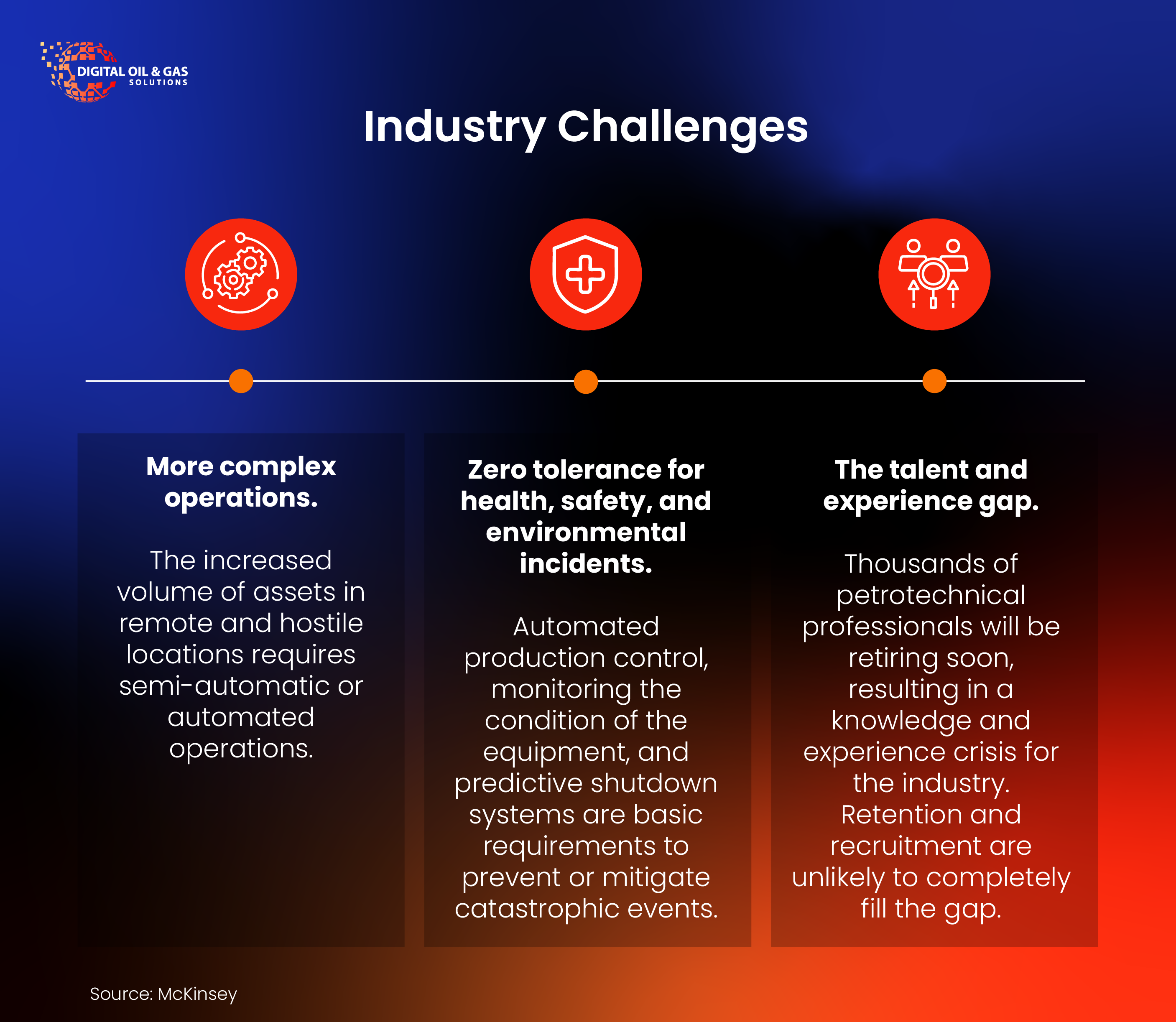
Oilfield operations today face a new level of complexity. Assets are located in increasingly remote environments, equipped with advanced technologies that require precise and continuous oversight. As seasoned professionals retire and fewer new engineers pursue careers in the oil and gas industry, companies risk losing decades of operational knowledge. This makes it harder to maintain consistent performance in mature operations where adopting new tools and digital workflows can already be difficult.
In this environment, field data capture software has evolved into an essential enabler, rather than a simple reporting tool. By centralizing oilfield data management and ensuring that information is captured correctly, these platforms help companies safeguard operations, compensate for shrinking field expertise, and maintain continuity across teams.
Beyond improving information quality, modern data gathering software strengthens situational awareness across the entire operation. Real-time oilfield monitoring, remote file acquisition, and intelligent alerts/alarms allow operators to detect anomalies earlier, prioritize interventions, and respond with greater precision.
As companies move toward more intelligent oilfield technologies, accurate data capture in the field becomes the foundation for automation, predictive maintenance, and oilfield performance analytics.
Key features to look for in field data capture software
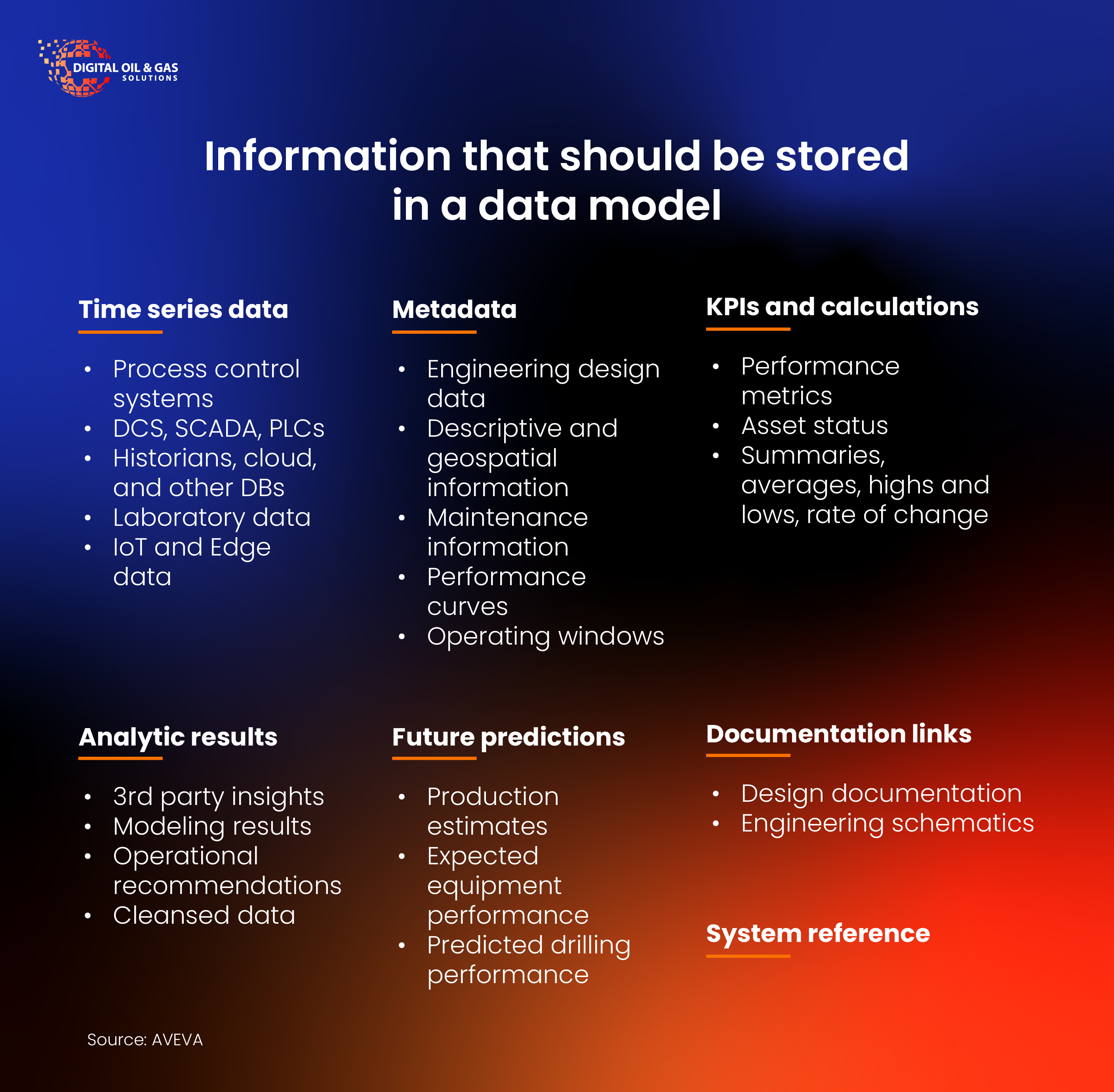
The right field data capture software should do more than digitize information. It creates a reliable operational layer that enhances decision-making, reduces risk, and supports long-term performance. For operators managing remote assets and diverse field teams, several capabilities have become essential.
- Real-time oilfield monitoring
Instead of relying on manual logs that often contain inconsistencies, modern platforms guide users through standardized workflows, apply automated checks, and ensure that production data is accurate before it reaches supervisors or engineering teams. This reduces reporting errors and builds a trustworthy foundation for oil and gas data management software.
- Offline functionality
Many assets operate in locations where connectivity is limited or unpredictable. Effective data gathering software enables field personnel to capture operational info without a network connection and then automatically sync updates once connectivity is restored. This prevents silos and ensures continuous visibility across oil and gas field operations data, regardless of field conditions.
- Integration with existing digital oilfield systems
Field data capture software seamlessly integrates with SCADA systems, production dashboards, maintenance platforms, and other digital oilfield solutions, enabling teams to transition from reactive to proactive monitoring.
- Advanced oilfield performance analytics capabilities
Like trend identification or anomaly detection, the data analytics in the oil and gas industry allows supervisors to move beyond raw data and gain insights that improve field operations optimization.
Enhancing decision-making with real-time operational insights
When field data is captured digitally and delivered instantly, the decisions become faster, more accurate, and more aligned with actual field conditions. Instead of relying on delayed reports or fragmented logs, teams gain continuous access to validated oil and gas field operations data, allowing them to respond proactively to changes in equipment behavior, production trends, or safety risks.
This visibility is especially valuable in remote and mature operations, where early detection of anomalies can prevent costly downtime and reduce operational risk. With integrated dashboards, automated alerts/alarms, and oilfield performance analytics, companies can prioritize interventions, improve resource allocation, and support a more reliable operational workflow. These capabilities not only strengthen day-to-day operations but also enhance long-term planning and asset optimization.
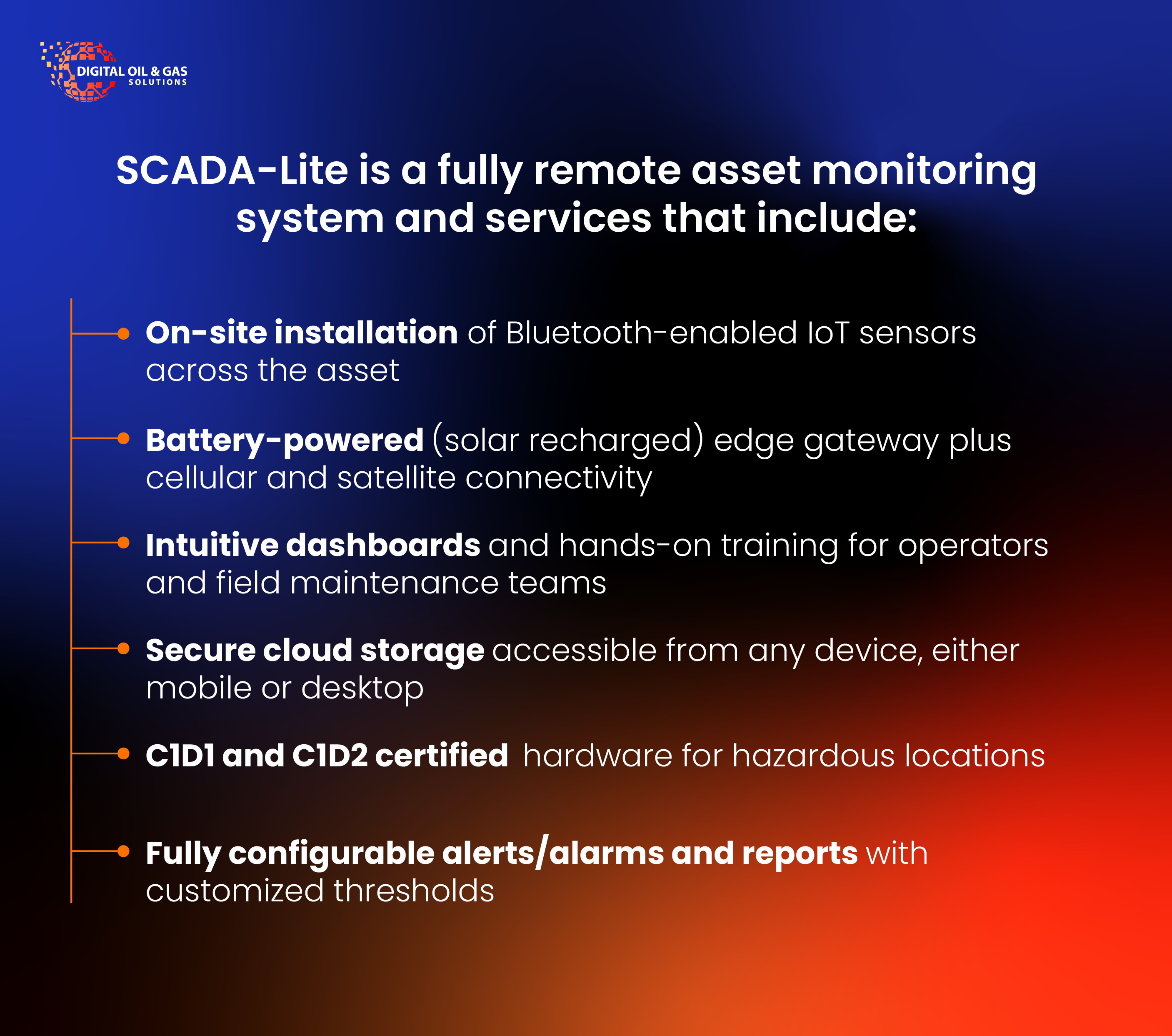
A clear example of how real-time insights enhance decision-making is Well Manager, a remote asset monitoring solution. Designed to support both small- and large-scale operations, Well Manager centralizes production data, tank levels, well tests, alarms, and equipment status into a single, unified platform. By combining remote data acquisition with intuitive analytics, it gives field and office teams a shared, live view of what is happening at every asset. This reduces blind spots, accelerates incident response, and enables operators to make more informed and confident decisions.
Overcoming challenges in oilfield data management
Managing operational data in the oil and gas industry involves addressing long-standing challenges: fragmented workflows, manual processes, disconnected systems, and a widening talent gap. Many operators still rely on paper-based approvals, spreadsheets, and siloed databases—methods that can’t keep up with the speed and accuracy modern operations require.
A strong example is one of our recent projects, where our client transitioned from a 100 percent paper-based invoice processing workflow to one that used only 2 percent paper in under six months. Through automated template learning, digital libraries, and integration with their ERP, they ultimately achieved an entirely paperless process, resulting in improved accuracy, cycle time, and visibility across the entire company.
Although this case focused on invoices, the underlying lessons mirror what happens in field operations. When companies replace manual, disconnected workflows with structured, automated, and integrated digital processes, they establish a stronger foundation for managing production data, capturing operational data, and leveraging data analytics in the oil and gas industry.
Final thoughts
The industry’s current challenges require a modern approach to capturing, validating, and utilizing data. In Digital Oil & Gas Solutions, our goal is to help companies transform these obstacles into opportunities. By modernizing your field data, you can unlock real-time visibility, reduce operational risk, and operate with greater confidence and efficiency.
If you’re ready to optimize your oilfield operations, we’re here to help you get started.